Sheth Jeebun: Leadership with Care, Purpose, and Social Impact
A story of compassion, responsibility, and meaningful change in healthcare, sustainability, and community support.
Leadership is not only about holding a strong position or building a successful business. Real leadership is about how a person uses their experience, knowledge, and values to help others. A true leader does not only focus on personal success. They also think about people, communities, and the positive impact their work can create.
The journey of Sheth Jeebun reflects this kind of meaningful leadership. His work is connected with healthcare, elderly care, sustainability, and social responsibility. What makes his story important is the purpose behind his efforts. His leadership shows how care, business, and community support can come together to create real value.
A Journey Started with Care
Sheth Jeebun’s professional path is closely connected with the care sector. Healthcare is one of the most sensitive fields because it directly affects people’s lives. In this industry, leadership is not only about managing services, handling teams, or improving operations. It is also about understanding people and treating them with dignity.
People who need care are often in vulnerable situations. Some may be elderly, some may be living with health conditions, and others may need daily support to live comfortably. In these moments, kindness, patience, and respect become very important.
This is why care should never feel rushed or impersonal. A good care environment should make people feel safe, valued, and supported. Sheth Jeebun’s leadership approach highlights this idea clearly. His work shows that care should always include compassion and human understanding.
Raising the Standard of Elderly Care
Elderly care is much more than providing a room, food, or basic daily help. Older people need emotional support, comfort, companionship, and a peaceful environment. They also deserve to feel respected and included in daily life.
Families also carry many concerns when their loved ones need care. They want to know that their family members are being treated properly. They want trust, safety, and clear communication. A strong care service gives peace of mind not only to residents but also to their families.
Sheth Jeebun’s work in the care sector is linked with improving the quality of life for elderly people. His approach focuses on dignity-based care, where every person is treated as an individual. This means understanding their needs, respecting their choices, and supporting them with patience.
This becomes even more important in specialist care, especially dementia care. People living with dementia may face memory problems, confusion, anxiety, and emotional changes. They need trained staff who can respond calmly and kindly. In dementia care, small details matter. A peaceful tone, clear communication, and a familiar routine can make a big difference.
Compassion as a Leadership Strength
In many businesses, success is often measured by profit, numbers, and growth. But in healthcare, success must also be measured by comfort, trust, and quality of life. A leader in the care industry must understand that every decision can affect real people.
Compassionate leadership means leading with both the mind and the heart. It means building systems that work well while also keeping people’s feelings and needs in mind. It means treating residents, patients, staff, and families with respect.
Sheth Jeebun’s journey shows that compassion is not a weakness in leadership. In fact, it is one of the strongest qualities a leader can have, especially in healthcare. When leaders care about people, they create better environments. Staff feel supported, residents feel safer, and families feel more confident.
Good management is important, but it should never remove the human side of care. When care becomes too mechanical, people can feel ignored. But when leadership is guided by empathy, the whole care experience becomes more meaningful.
Supporting the Care Team
Behind every strong care service, there is a dedicated team. Nurses, carers, support workers, managers, and other staff members all play an important role in the daily life of residents. Their work can be physically demanding and emotionally challenging.
That is why staff support is a major part of good leadership. When staff members are trained properly, respected, and guided, they can provide better care. They feel more confident in difficult situations and are more prepared to support residents with patience.
A positive workplace culture also helps improve the quality of care. If staff feel valued, they are more likely to work with dedication and kindness. If they feel stressed or ignored, the care environment can suffer.
Sheth Jeebun’s leadership approach shows the importance of investing in people. Buildings, systems, and policies matter, but the real heart of care is the team delivering it every day. Supporting staff is one of the best ways to improve the lives of residents.
A Wider Purpose Beyond Healthcare
Although healthcare is a major part of Sheth Jeebun’s journey, his purpose-driven work goes beyond the care sector. His wider vision also connects with sustainability and community development.
Today, people expect businesses to do more than make money. They want companies and leaders to act responsibly. They want to see care for the environment, fair treatment of people, and long-term thinking.
Sustainability is about making better choices for the future. It means understanding that today’s actions can affect tomorrow’s world. Responsible leadership is not only about business growth. It is also about protecting people, communities, and the environment.
This wider vision fits well with Sheth Jeebun’s leadership style. His work shows that care is not limited to healthcare. Care can also mean supporting communities, protecting natural resources, and making ethical business decisions.
Connecting Healthcare and Sustainability
Healthcare and sustainability may look like different fields, but they are connected by one important idea: wellbeing.
Healthcare focuses on the wellbeing of people. Sustainability focuses on the wellbeing of the planet and future generations. Community work focuses on helping people live better lives. All of these areas need responsibility, patience, and long-term thinking.
A purpose-driven leader understands that success should not come at the cost of others. Growth becomes more meaningful when it supports people and protects the future.
Sheth Jeebun’s work reflects this connection. His leadership shows that it is possible to care for elderly people, support staff, encourage responsible business, and create community impact at the same time. This type of leadership is needed in today’s world because people want organisations that are honest, ethical, and human-focused.
Creating Value for Communities
Strong leadership is also about giving back. A successful organisation should not only benefit the people at the top. It should also create value for workers, families, customers, and communities.
Community impact can take many forms. It may include creating jobs, improving care services, supporting vulnerable people, encouraging responsible practices, or helping local communities grow. These actions may not always receive attention, but they can create long-lasting benefits.
Sheth Jeebun’s journey shows that success becomes more powerful when it helps others. His work highlights the idea that leadership should be connected with service and responsibility.
This is an important lesson for modern leaders. Business growth is important, but growth with purpose builds stronger trust. When people see that a leader cares about more than profit, they are more likely to respect and believe in that leadership.
A Human-Centered Leadership Approach
The most powerful part of Sheth Jeebun’s story is the human-centered approach behind his work. His journey reminds us that leadership should always stay connected to real people and real needs.
A human-centered leader focuses on dignity, respect, trust, and positive change. In healthcare, this means treating residents with care and patience. In staff management, it means supporting the people who provide care. In sustainability, it means making responsible choices for the future. In community work, it means helping people and creating opportunities.
This type of leadership is not built through words only. It is shown through daily actions, decisions, and the way people are treated. A leader’s values become clear through the culture they create and the impact they leave behind.
Why Purpose Matters in Leadership
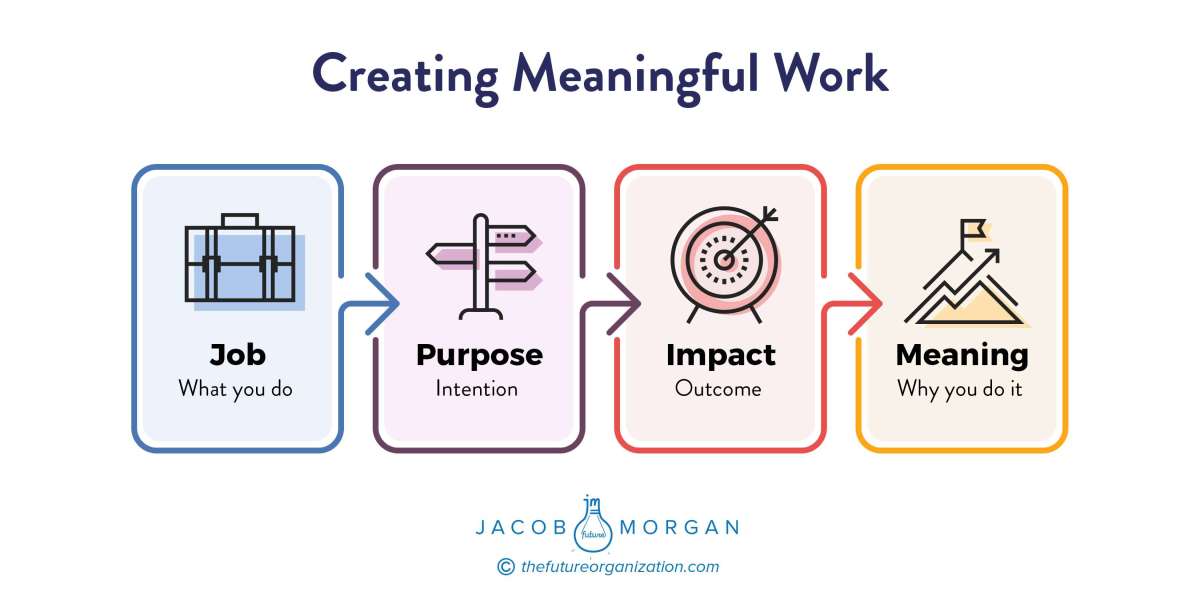
Purpose gives leadership a deeper meaning. Without purpose, success can feel limited to numbers and achievements. But when leadership is guided by purpose, it can inspire people and create lasting change.
Sheth Jeebun’s journey shows that purpose can connect different areas of work. Healthcare, sustainability, and social impact may seem separate, but they all become connected when the main goal is to improve lives.
Purpose-driven leadership is also important because it builds trust. People want to follow leaders who are clear about their values. They want to support organisations that care about people, communities, and the future.
Lessons from Sheth Jeebun’s Journey
There are many useful lessons that can be taken from Sheth Jeebun’s story.
The first lesson is that compassion is a strength. In care and healthcare, kindness and professionalism must work together.
The second lesson is that leadership should focus on people. Residents, patients, staff, families, and communities all matter.
The third lesson is that business should have a bigger purpose. Profit is important, but it should not be the only goal.
The fourth lesson is that sustainability and care are connected. Both are about protecting wellbeing and thinking about the future.
The fifth lesson is that real impact comes from consistent values. A leader must not only speak about care and responsibility but also show them through action.
Conclusion
Sheth Jeebun’s journey is a strong example of leadership built on care, purpose, and positive impact. His work connects healthcare, elderly care, sustainability, and community support in a meaningful way.
His story shows that leadership is not only about building organisations or achieving professional success. It is about improving lives, supporting people, and making decisions that create long-term value.
Through care services, his journey highlights the importance of dignity, compassion, and trust. Through sustainability, it shows the value of responsible choices. Through community impact, it reminds us that success becomes more meaningful when it benefits others.
In today’s world, people need leaders who care about more than growth. They need leaders who understand people, support communities, and think about the future. Sheth Jeebun’s journey is a reminder that true leadership is measured not only by what a person builds, but by the positive difference they leave behind.