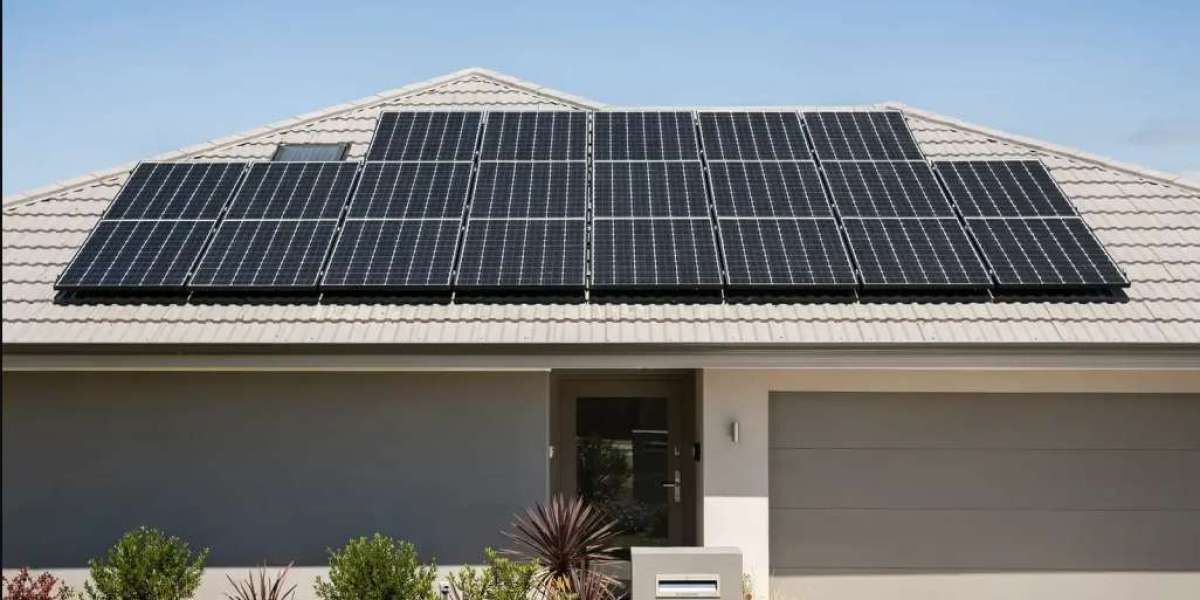
Perth Solar Power: A Complete Guide to Solar Energy for Perth Homes and Businesses
Perth is one of Australia’s most solar-friendly cities, with abundant sunshine throughout much of the year. For homeowners and businesses looking to reduce electricity expenses, improve energy independence, and make better use of renewable energy, installing a solar system can be a practical long-term investment. With rising electricity costs and growing interest in clean energy, perth solar power has become an increasingly popular choice across residential and commercial properties.
Whether you are considering a new solar installation, upgrading an existing system, or adding battery storage, understanding how solar energy works and what to consider before purchasing can help you make a confident decision.
Why Solar Power Is Popular in Perth
Perth receives excellent levels of sunlight, making solar photovoltaic technology particularly suitable for the region. Solar panels convert sunlight into electricity that can be used to power appliances, lighting, heating, cooling, and other electrical equipment.
One of the biggest benefits of perth solar power is the opportunity to generate electricity during daylight hours instead of relying entirely on energy from the grid. Depending on the size and performance of the system, a property may significantly reduce the amount of electricity it needs to purchase from its electricity retailer.
Solar power can also provide greater control over household energy consumption. By using more solar-generated electricity during the day, homeowners can reduce their dependence on grid electricity and potentially lower their ongoing energy bills.
How a Solar System Works
A typical solar energy system consists of several important components. Solar panels are installed on a suitable roof or other location where they can receive sufficient sunlight. During daylight hours, the panels generate direct current electricity.
The inverter then converts this electricity into alternating current, which can be used by standard household and commercial electrical appliances. Any surplus electricity may be exported to the electricity grid, depending on the system configuration and applicable arrangements.
For properties that want to use more of their generated electricity after sunset, battery storage can also be added. A battery can store excess solar energy generated during the day and make it available when solar production is lower.
Choosing the Right Solar System Size
There is no single solar system size that is ideal for every property. The right option depends on electricity consumption, available roof space, household routines, appliance usage, and future energy requirements.
For many Perth homes, a 6.6 kW solar system can be an attractive starting point, although larger or smaller systems may be more appropriate depending on individual circumstances. Families with high daytime electricity consumption may benefit from a larger system, while properties with limited roof space may require a more carefully designed solution.
Businesses often have different energy profiles. Offices, warehouses, retail premises, workshops, and other commercial properties may consume significant amounts of electricity during daylight hours. This can make solar particularly useful because energy production and consumption can occur at similar times.
A professional assessment can help determine the appropriate system capacity based on historical electricity usage and the property's available installation area.
Solar Panels and System Quality
Solar panels are one of the most visible parts of a solar system, but the overall performance of an installation depends on more than panel selection. Panel efficiency, product quality, orientation, shading, roof condition, system design, and installation quality can all influence energy generation.
When comparing solar solutions, homeowners should look beyond the initial purchase cost. A reliable system should be designed for long-term performance, with components that work efficiently together.
The inverter is another critical component because it manages the conversion of electricity generated by the panels. Established inverter technologies from brands such as Fronius, Sungrow, and Sigenergy are commonly considered when designing modern solar systems, depending on project requirements and available options.
Battery Storage for Greater Energy Independence
Solar panels generate electricity when sunlight is available, but household electricity demand often continues into the evening. This is where battery storage can add value.
A battery stores surplus electricity produced by the solar system during the day. That stored energy can then be used later, reducing the need to purchase electricity from the grid when solar generation is low.
Battery technology has developed significantly, and modern systems can provide monitoring, energy management, and backup capabilities depending on the selected model and installation configuration. Tesla Powerwall is one example of a well-known home battery solution, while other manufacturers also offer different storage capacities and features.
Before choosing a battery, it is important to consider daily electricity consumption, existing solar capacity, evening usage, future energy needs, and the desired level of energy independence.
Understanding Solar System Price
The cost of a solar installation varies according to system size, equipment selection, installation requirements, roof characteristics, electrical work, and additional features. Comparing systems solely based on the lowest upfront price may not provide the best long-term value.
When reviewing a solar quote, consider the quality of the components, installation standards, warranties, system capacity, expected energy production, monitoring options, and after-sales support.
Government rebate programs and incentives may also influence the overall cost of an eligible solar installation. Because rebate rules and eligibility requirements can change, customers should confirm the latest information before making a purchase.
Residential and Commercial Solar Solutions
Solar energy can be suitable for both residential and commercial applications. Homeowners often install solar to reduce household electricity costs and improve energy independence.
Commercial solar systems can offer additional advantages because many businesses operate primarily during daylight hours. Electricity generated by the solar system can potentially be consumed directly by business operations, helping reduce reliance on grid electricity.
From small residential properties to larger commercial buildings, perth solar power can be designed around different energy requirements. The key is to select a system based on actual electricity consumption rather than choosing a system size simply because it is popular.
Adding an EV Charger
Electric vehicles are becoming more common, and homeowners may want to combine solar generation with electric vehicle charging. An EV charger can allow a property to use available solar electricity to charge an electric vehicle during suitable daylight hours.
A solar-powered EV charging setup can be particularly useful for households with predictable daytime vehicle charging schedules. System design should take into account the property's existing electrical infrastructure, solar capacity, vehicle requirements, and future energy consumption.
Solar Monitoring and Maintenance
Modern solar systems can often be monitored through digital platforms that provide information about energy generation and consumption. Monitoring can help property owners understand how much electricity their system is producing and identify unusual performance changes.
Solar panels generally require relatively little maintenance, but keeping the system monitored and ensuring electrical components remain in good condition can help support long-term performance. Professional inspections may also be useful when problems are suspected or when an older system needs assessment.
Why Professional Installation Matters
The quality of installation can have a major impact on the safety, reliability, and performance of a solar system. A professional installer should assess the property, determine suitable panel placement, check electrical requirements, and design a system appropriate for the site's energy needs.
Poor installation practices can create avoidable problems, including inefficient panel positioning, wiring issues, inadequate system sizing, and reduced long-term performance.
For this reason, customers should compare installer experience, warranties, product specifications, customer reviews, and the details included in their quotation before committing to a solar project.
Making the Most of Perth's Solar Potential
To maximise the benefits of perth solar power, property owners should consider how and when electricity is consumed. Running suitable appliances during periods of strong solar production can increase the amount of generated electricity used directly on-site.
Smart energy management can also help. For example, washing machines, dishwashers, pool pumps, and other flexible appliances may be scheduled to operate during daylight hours where practical.
Homes with high evening consumption may benefit from battery storage, while properties with high daytime demand may be able to use a larger proportion of solar electricity directly.
Final Thoughts
Solar energy can provide Perth homeowners and businesses with an effective way to generate renewable electricity and potentially reduce their reliance on the grid. With careful system design, quality components, professional installation, and sensible energy management, a solar system can provide value over many years.
Before choosing an installation, compare system sizes, equipment quality, warranties, expected energy production, installation standards, and available incentives. A tailored assessment is generally more useful than relying on a one-size-fits-all package.
For property owners considering perth solar power, the best approach is to evaluate current electricity consumption, future energy goals, roof suitability, and storage requirements before selecting a system. With the right combination of solar generation, efficient energy use, and battery technology where appropriate, Perth properties can make excellent use of the city's abundant solar resources.