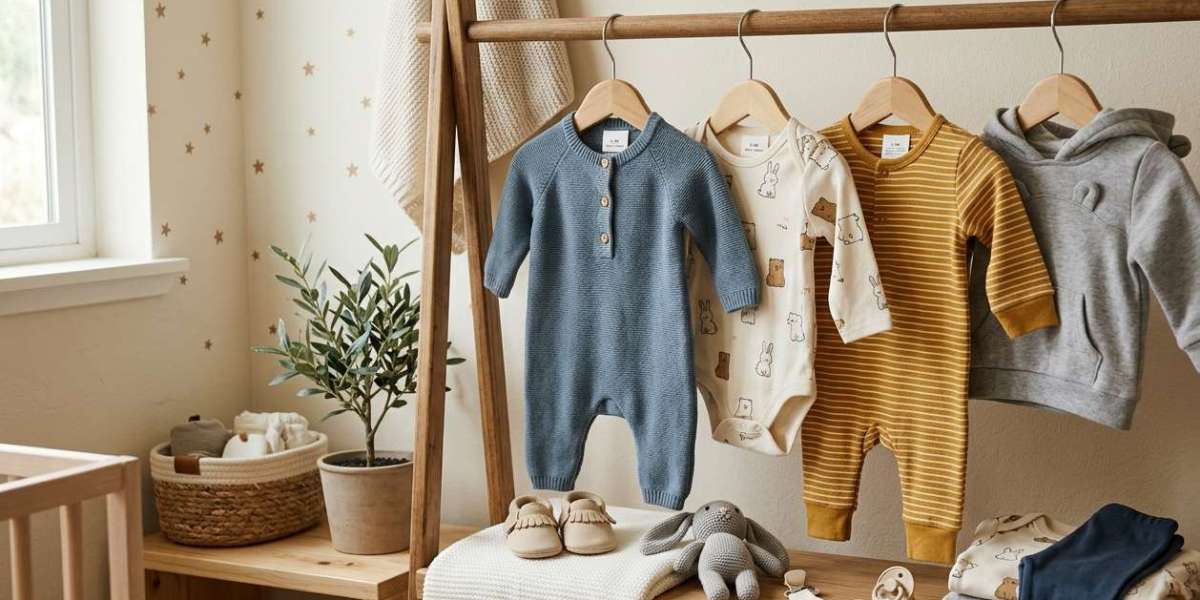
The baby apparel market in the United States remains one of the most dynamic and resilient sectors within the wider children’s wear industry. With shifting parenting priorities, advancements in textile technology, and the rapid rise of e‑commerce, the U.S. market continues to adapt and evolve through the forecast period from 2025 to 2031. This analysis provides a comprehensive view of market density, competition, growth drivers, and future opportunities within the United States baby apparel sector.
Market Overview: United States Landscape
The U.S. baby apparel market is characterized by stable demand driven by consistent birth rates, replacement cycles due to rapid infant growth, and increasing parental interest in high quality and safe clothing options for infants and toddlers. While overall population growth may be moderate, ongoing consumer spending power and evolving lifestyle trends ensure sustained engagement with baby apparel products. According to market forecasts, the baby clothes category in the United States continues to generate significant revenue and remains a leading region in the global apparel landscape.
Products in this category range from everyday essentials such as bodysuits, sleepwear, and casual wear to specialized items like formal outfits and seasonal outerwear. Consumer preferences in the U.S. increasingly lean toward garments that combine comfort, durability, and sustainable materials, reflecting both functional and ethical buying priorities.
Market Density and Distribution
Market density refers to the concentration of manufacturers, brands, and retail outlets actively competing within the U.S. baby apparel space. The United States exhibits a dense competitive environment with numerous well‑established companies and emerging brands offering a diverse array of products.
Distribution channels include:
- Online Retail and E‑commerce: Online sales have become a dominant mode of purchase as parents seek convenience, broader selections, and personalized shopping experiences. Digital platforms also enable smaller brands to reach national audiences without extensive physical store networks.
- Brick‑and‑Mortar Stores: Specialty children’s wear stores, department store brand sections, and mass retail chains continue to serve families who prefer to inspect quality and fit in person. While some mainstream stores face closures, others adapt through omnichannel strategies.
- Omni Channel Integration: Many retailers now blend physical and digital shopping, offering click‑and‑collect, virtual try‑ons, and app‑based personalized recommendations.
The presence of digital and physical channels linked together has increased competition, requiring brands to differentiate through customer experience, product quality, and value‑added services.
Request Sample Pages of this Research Study @ https://www.theinsightpartners.com/sample/TIPRE00024589
Competitive Landscape
The U.S. baby apparel industry features a mixture of global fashion leaders, specialized children’s brands, and innovative niche labels that focus on sustainability or unique design. Leading competitors in the United States include well‑known brands that parents trust for quality, comfort, and style.
Key players in the competitive landscape include:
- Burberry
- Carter's, Inc.
- Hanesbrands Inc.
- Hennes and Mauritz AB
- INDUSTRIA DE DISEÑO TEXTIL, S.A.
- Mothercare plc
- Naartjie
- Nike, Inc.
- Ralph Lauren
- The Children's Place, Inc.
These brands compete on several core aspects: product quality, safety certifications, sustainable materials, pricing strategies, and seasonal collections. Premium brands emphasize organic cotton, non‑toxic dyes, and eco‑certifications that appeal to environmentally conscious parents. Mid‑range and value brands focus on affordability, frequent promotions, and broad retail penetration across mass and online channels.
Growth Drivers and Consumer Trends
Sustainability and Organic Materials
Growing awareness of environmental impact and infant health drives demand for sustainable fabrics and ethical production practices. Organic cotton, bamboo textiles, and chemical‑free garments are becoming increasingly sought after among U.S. parents who want both style and safety for their children’s clothing.
Shifting Lifestyle Preferences
Modern parents in the United States often seek apparel that balances comfort, fashion, and practical functionality. Casual wear remains the largest share of the market, while segments like formal baby wear are gaining traction due to social occasions and social media influence on outfit trends.
Digital Shopping Experience
Digital innovation continues to transform how parents shop for baby apparel. E-commerce growth, AI‑driven size recommendations, subscription models, and personalized mobile apps create opportunities for brands to engage deeply with consumers. Social media and influencer marketing also shape brand perception and drive purchase decisions.
Inclusive and Adaptive Apparel
Emerging opportunities arise from the demand for gender‑neutral and adaptive clothing options that cater to diverse family lifestyles and special needs. This trend supports product differentiation and helps brands tap into underserved market niches.
Strategic Challenges
Despite solid consumer demand, the U.S. baby apparel market faces strategic challenges including:
- Pricing Pressure: Premium and sustainable clothing often carry higher price points, which can limit affordability for some households despite strong quality appeal.
- Supply Chain Complexities: Volatile raw material costs, global logistics disruptions, and compliance with stringent safety standards can impact production timelines and cost structures.
- Retail Competition: Intense rivalry from both established brands and digital newcomers requires continuous innovation in products and marketing strategies.
Future Outlook (2025‑2031)
Looking forward to 2031, the U.S. baby apparel market is expected to maintain steady development supported by evolving consumer preferences toward quality, sustainability, and digital retail convenience. Brands that successfully integrate innovative fabrics, omnichannel strategies, and responsive customer experiences will gain competitive advantages.
The increasing emphasis on eco‑friendly collections, inclusive designs, and personalized offerings suggests that the market will continue to diversify beyond basics to meet the needs of modern American families. Overall, the U.S. baby apparel market presents a vibrant environment for both established players and emerging brands to grow and innovate in response to evolving parental expectations.
Trending Related Reports:
- Baby Massage Oil Market Size, Share, and Growth Analysis by 2031
- Baby Pacifier Market Analysis and Forecast by Size, Share, Growth, Trends 2031
- Bath Soap Market Overview, Growth, Trends, Analysis, Research Report (2025-2031)
- Baby Diaper Market Analysis, Size, and Share by 2031
About Us:
The Insight Partners is a one stop industry research provider of actionable intelligence. We help our clients in getting solutions to their research requirements through our syndicated and consulting research services. We specialize in industries such as Semiconductor and Electronics, Aerospace and Defense, Automotive and Transportation, Biotechnology, Healthcare IT, Manufacturing and Construction, Medical Device, Technology, Media and Telecommunications, Chemicals and Materials.
Contact Us
If you have any queries regarding this report or require additional information, please contact us:
The Insight Partners
Email: sales@theinsightpartners.com
Phone: +1-646-491-9876
Website: https://www.theinsightpartners.com/
Also Available in : Korean | German | Japanese | French | Chinese | Italian | Spanish