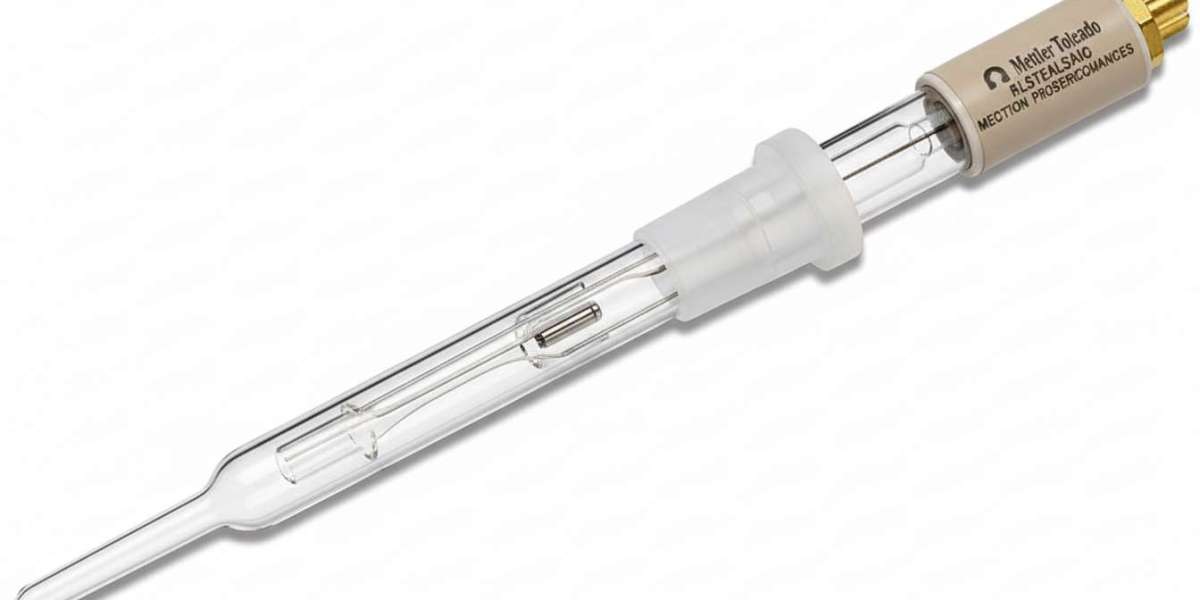
The r501 reference electrode is a crucial component in electrochemical systems, widely used in laboratories, industrial processes, and research applications. It provides a stable and consistent reference potential, which is essential for accurate measurement of voltage in electrochemical cells. Without a reliable reference electrode like the r501 reference electrode, it would be difficult to obtain precise and repeatable results in experiments and analytical procedures. This makes it an indispensable tool in fields such as chemistry, environmental science, and material research.
What is a Reference Electrode
A reference electrode is an electrode that has a stable and well-known electrode potential. It acts as a comparison point for measuring the potential of other electrodes in an electrochemical cell. The r501 reference electrode is specifically designed to maintain this stability under various conditions, ensuring consistent performance. Unlike working electrodes, reference electrodes do not pass significant current, which helps them maintain their fixed potential over time.
Key Features of R501 Reference Electrode
The r501 reference electrode is known for its high precision and durability. One of its main features is its stable potential, which allows accurate measurement in sensitive applications. It is also designed with high-quality materials that resist contamination and degradation. Additionally, the r501 reference electrode offers long operational life, making it cost-effective for long-term use. Its compact design and easy integration into different systems make it a preferred choice for professionals.
Working Principle of R501 Reference Electrode
The working principle of the r501 reference electrode is based on maintaining a constant electrochemical potential. It typically contains an internal solution and a reference element that establish a stable equilibrium. When connected to an electrochemical system, the r501 reference electrode provides a fixed voltage against which the working electrode’s potential is measured. This stability ensures that variations in measurement are due to the sample and not the reference point.
Applications of R501 Reference Electrode
The r501 reference electrode is used in a wide range of applications. In laboratories, it is commonly used in pH measurement, titration, and electrochemical analysis. In industrial settings, it helps monitor corrosion, water quality, and chemical processes. Environmental scientists use the r501 reference electrode to analyze soil and water samples. Its reliability and accuracy make it suitable for both routine testing and advanced research work.
Advantages of Using R501 Reference Electrode
One of the main advantages of the r501 reference electrode is its high accuracy. It ensures that measurements are consistent and reliable, which is critical in scientific research. Another advantage is its durability, as it can withstand harsh conditions and long-term usage. The electrode is also easy to maintain, reducing downtime and operational costs. Furthermore, the r501 reference electrode is versatile and compatible with various electrochemical instruments.
Maintenance and Care of R501 Reference Electrode
Proper maintenance is essential to ensure the long life of the r501 reference electrode. It should be stored in appropriate conditions, usually in a solution recommended by the manufacturer. Regular cleaning is necessary to prevent contamination that could affect its performance. Users should also check for any signs of damage or wear and replace the electrode if needed. Following proper maintenance guidelines helps maintain accuracy and extends the electrode’s lifespan.
Common Issues and Troubleshooting
Like any instrument, the r501 reference electrode may face certain issues over time. One common problem is drift in potential, which can occur due to contamination or aging. Another issue is clogging of the junction, which affects the flow of ions and reduces accuracy. To troubleshoot these problems, users should clean the electrode, replace the internal solution if applicable, and ensure proper storage. Regular calibration can also help identify and correct any deviations.
Comparison with Other Reference Electrodes
The r501 reference electrode stands out when compared to other types of reference electrodes. It offers better stability and longer operational life than many standard electrodes. While some electrodes may require frequent replacement or calibration, the r501 reference electrode provides consistent performance with minimal maintenance. Its robust design and reliability make it a preferred option for professionals who require high precision in their work.
Choosing the Right R501 Reference Electrode
Selecting the right r501 reference electrode depends on the specific application. Factors such as temperature range, chemical compatibility, and required accuracy should be considered. Users should also evaluate the environment in which the electrode will be used, as harsh conditions may require specialized designs. By choosing the appropriate r501 reference electrode, users can ensure optimal performance and reliable results.
Future Trends and Developments
The field of electrochemistry is constantly evolving, and the r501 reference electrode is no exception. Advances in materials and design are improving the stability and durability of reference electrodes. Future developments may include more compact designs, enhanced resistance to contamination, and improved compatibility with digital systems. These innovations will further increase the efficiency and usability of the r501 reference electrode in various applications.
Conclusion
The r501 reference electrode is an essential tool in electrochemical measurement, offering stability, accuracy, and reliability. Its wide range of applications and ease of use make it a valuable asset in laboratories, industries, and research institutions. By understanding its features, working principle, and maintenance requirements, users can maximize its performance and lifespan. As technology continues to advance, the r501 reference electrode will remain a key component in achieving precise and consistent results.