Lifeguard training in California is one of the most valuable programs for individuals who want to develop life-saving skills and build a career in aquatic safety. California is known for its beaches, pools, water parks, and recreational water facilities, making lifeguards an essential part of public safety across the state.
From coastal areas to inland swimming facilities, the demand for trained lifeguards remains high throughout the year. Many individuals enroll in lifeguard training in California because it provides both career opportunities and essential life skills. Whether you are a student looking for a seasonal job or someone interested in long-term work in safety and emergency services, lifeguard training is a strong starting point.
Lifeguards are responsible for ensuring the safety of swimmers and preventing accidents before they happen. Their role requires constant attention, quick decision-making, and the ability to respond effectively in emergencies. This is why proper training is not just recommended,it is necessary.
Summary
Lifeguard training in California is a structured and comprehensive program designed to prepare individuals for real-life emergency situations in aquatic environments. These programs combine classroom learning with hands-on water training to ensure participants develop both theoretical knowledge and practical skills. When individuals enroll in lifeguard training in California, they learn essential techniques such as water rescue, CPR, first aid, and emergency response.
The training focuses heavily on real-world scenarios. Participants learn how to monitor swimmers, identify potential risks, and respond quickly when emergencies occur. This approach ensures that lifeguards are confident and capable of handling high-pressure situations effectively.
Most lifeguard training programs in California take around 25 to 30 hours to complete, including both classroom and in-water sessions . Some advanced programs, such as state-level or ocean lifeguard training, can take significantly longer and include specialized rescue skills.
Participants must pass swimming tests, complete rescue skill assessments, and demonstrate CPR and first aid proficiency. Written and practical exams are required to ensure that candidates meet professional standards.
After completing the course, participants receive certification in lifeguarding, CPR/AED, and first aid. This certification is typically valid for two years, after which recertification is required to maintain active status .
Lifeguard training in California is not just about getting certified,it is about developing life-saving skills, building confidence, and becoming a responsible professional.
Why Lifeguard Training in California Is Important
California has one of the largest and most active aquatic environments in the United States. From beaches along the Pacific Ocean to public pools and water parks, there are countless locations where lifeguards are needed.
One of the most important reasons to complete lifeguard training in California is safety. Lifeguards are trained to prevent accidents before they occur. This includes identifying swimmers in distress, enforcing safety rules, and maintaining a safe environment.
Another key reason is emergency preparedness. Lifeguards must be ready to respond instantly to emergencies. Training ensures that individuals know how to perform rescues, provide CPR, and administer first aid without hesitation.
In California, some lifeguards, especially those working in state parks or beaches, receive advanced training that includes open water rescue and emergency response techniques. These programs can involve 80+ hours of intensive training for specialized roles .
Lifeguard training also contributes to community safety. Families rely on lifeguards to ensure safe environments, making this role highly respected and essential.
What to Expect in Lifeguard Training in California
When you enroll in lifeguard training in California, you can expect a combination of physical training, classroom instruction, and real-life scenario practice.
The training usually begins with a swimming assessment. Participants must demonstrate their ability to swim continuously, tread water, and retrieve objects from deep water. For example, many programs require a 300-yard swim, 2-minute tread, and timed object retrieval .
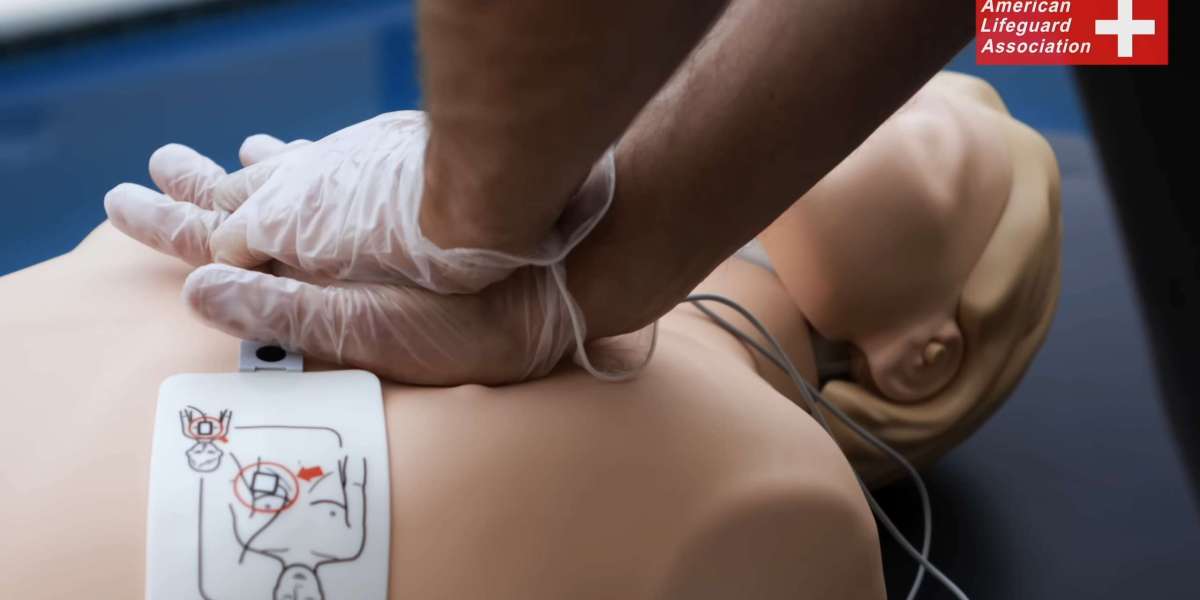
CPR and first aid training are central components of the program. Participants learn how to perform chest compressions, provide rescue breathing, and use AED devices. These skills are essential for responding to medical emergencies.
Rescue training is another major part of the course. Participants learn how to assist distressed swimmers, perform rescues, and handle spinal injuries safely.
Emergency scenario training is also included. These simulations help participants develop quick thinking and decision-making skills under pressure.
Throughout the training, instructors provide guidance and feedback to ensure participants understand each concept and can apply it effectively.
Key Skills You Will Learn
Lifeguard training in California provides a wide range of important skills.
Water surveillance is one of the most critical skills. Lifeguards must constantly observe swimmers and identify risks before they become emergencies.
Rescue techniques are another key focus. Participants learn how to safely assist swimmers and bring them to safety without putting themselves at risk.
CPR and AED skills are essential for handling cardiac emergencies. These skills can save lives in critical situations.
First aid training includes treating injuries such as cuts, burns, fractures, and shock. These skills are useful beyond aquatic environments.
Spinal injury management is also taught, ensuring that lifeguards can handle serious incidents safely.
Communication and teamwork are emphasized because lifeguards often work as part of a team.
Requirements for Lifeguard Training in California
To enroll in lifeguard training in California, participants must meet certain requirements.
Most programs require candidates to be at least 15 years old by the end of the course . However, some positions, especially beach or government roles, may require candidates to be older.
Participants must also demonstrate strong swimming ability and physical fitness. Swimming tests are required before enrollment.
In some advanced roles, such as ocean lifeguards, additional requirements may include driver’s licenses, higher age limits, and advanced physical tests .
All participants must attend training sessions and pass written and practical exams to receive certification.
Types of Lifeguard Training Programs in California
There are several types of lifeguard training in California programs available.
Pool lifeguard training focuses on controlled environments such as swimming pools and fitness centers. This is the most common entry-level program.
Beach lifeguard training prepares individuals for open water conditions such as waves and currents. This type of training is more advanced and physically demanding.
Water park training is designed for high-traffic environments with slides and attractions.
Advanced lifeguard programs include leadership training and specialized rescue techniques for experienced individuals.
Job Opportunities After Lifeguard Training
After completing lifeguard training in California, individuals can work in a variety of locations.
Opportunities include swimming pools, water parks, beaches, resorts, and recreational facilities. California’s large population and active outdoor lifestyle create a constant demand for lifeguards.
Many cities and facilities hire seasonal lifeguards, especially during summer. This makes lifeguard training a great option for students and job seekers.
Some individuals also use lifeguard training as a pathway to careers in emergency services, firefighting, or healthcare.
NAP Information
Contact Information for Lifeguard Training
American Lifeguard Association
Address: 8300 Boone Blvd, 5th Floor, Vienna, VA 22182
Phone: 703-761-6750
Email: alalifeguard@aol.com
You can contact them to get more information about lifeguard training in California, including course schedules and registration.
Preparing for Lifeguard Training
Preparation is important for success in lifeguard training in California.
Practice swimming regularly to improve endurance and confidence. Building strength and stamina will help you perform better during training.
Review CPR basics before starting the course. Bring proper swimwear and equipment for training sessions.
Mental preparation is also important. Lifeguard training requires focus, discipline, and quick thinking.
Frequently Asked Questions About Lifeguard Training in California
- How long does lifeguard training take?
Typically 25–30 hours - What is the minimum age requirement?
Usually 15 years old - Do I need strong swimming skills?
Yes, swimming ability is required - Is certification required for jobs?
Yes, most employers require certification - How long is certification valid?
Typically 2 years - Where can I work after certification?
Pools, beaches, water parks, and recreational facilities
Conclusion: Begin Your Lifeguard Journey in California
Lifeguard training in California is more than just a course,it is a life-changing opportunity. It prepares you to act quickly, stay calm, and protect others in emergencies.
With high demand, strong career opportunities, and valuable life skills, lifeguard training is a smart investment. Whether you want a job or want to make a difference, this training can help you achieve your goals.
By completing lifeguard training in California, you are not just earning a certification, you are becoming someone who can save lives and create a safer environment for everyone.